Blog / Websites
Website design: stages of the project
Website design stages: brief, content, UX/UI, development, testing and handover. Clarify client responsibilities and running costs.
Website design involves purpose, content structure, UX/UI and development. Each stage needs different decisions. Before starting, outline the offer, audience, assets and functions, and agree which items the client and supplier will prepare.
Brief, content and structure
Define what visitors should find and how they can get in touch. Page structure should follow the offer rather than fill a menu. Supply current copy, images and details or commission their preparation. Identify existing URLs to retain during a redesign.
UX/UI and mobile layouts
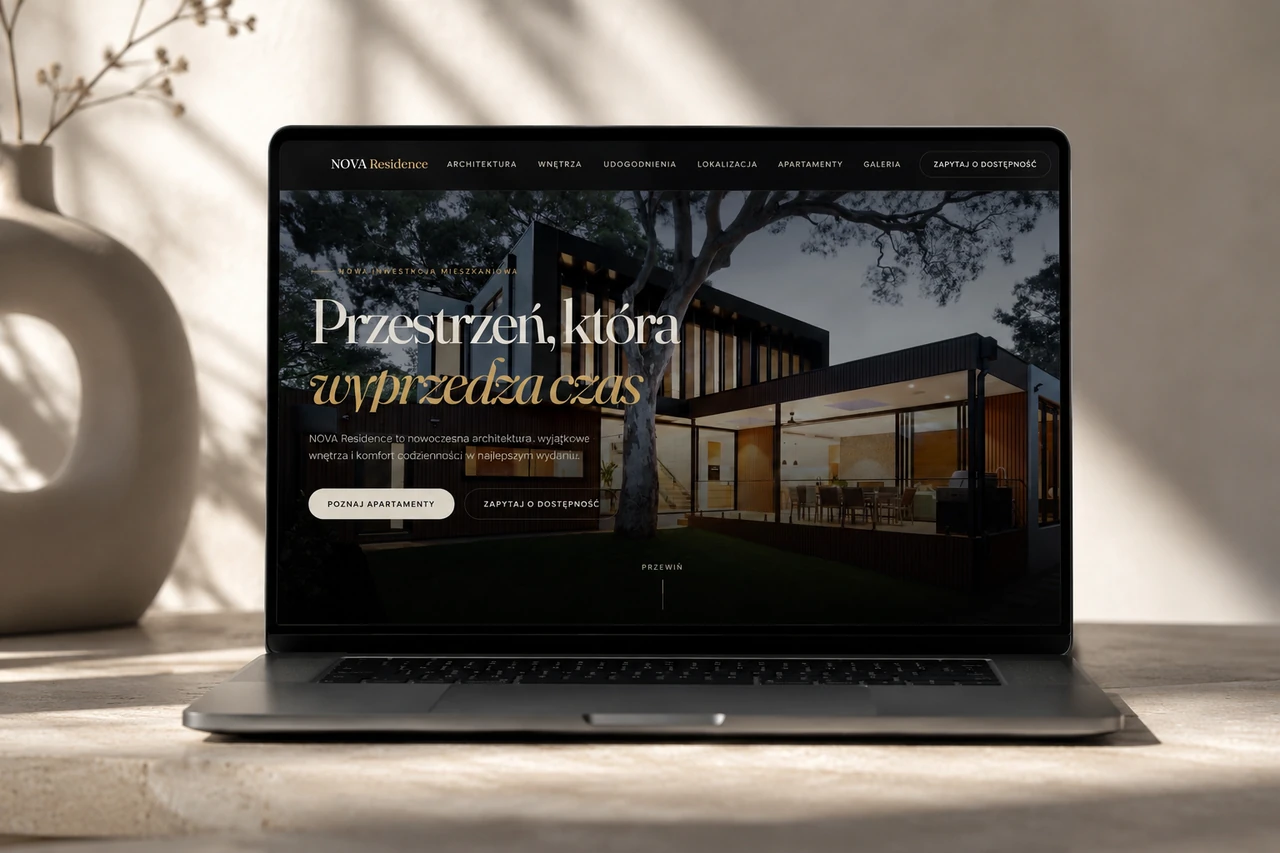
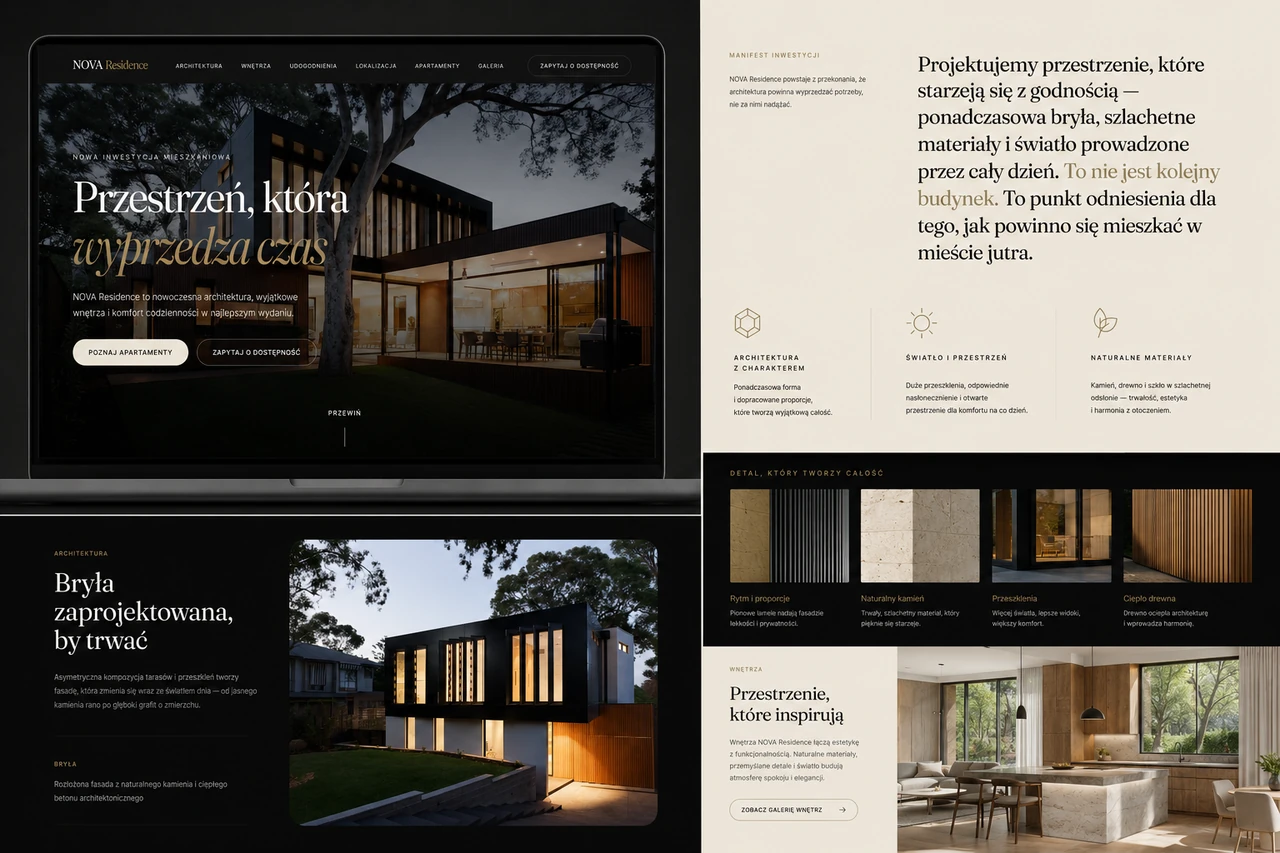
Review information order and navigation before visual design. Test long headings, menus and forms on narrow screens. Leszek Delimat’s website needed seven practice locations clearly connected with their contact details. The same principle applies to multi-branch businesses.
Development, content and testing
After development, check real content, images, links and forms. Review titles, headings and search access. If enquiries are measured, test the event and consent behaviour. A tracking tag’s presence does not establish that the data is correct.
Handover and maintenance
Agree editing access, domain, hosting, licences and update responsibilities. Handover does not automatically include ongoing support. During acceptance, follow a typical journey from arrival to contact and test recovery from form errors.
Project checklist
- Approve structure and real content before final design.
- Test contact, menus and long content on mobile.
- Agree access, maintenance and responsibilities after launch.
Questions and answers
Must the client prepare content before design?
At least define the content scope and who prepares it. A layout based only on short placeholders may not accommodate the final information.

Related articles
Websites
How much does website design and development cost?
Website prices: landing pages, business sites, sections, pages, client assets and additional costs.
25 August 20262 min readRead article
Websites
Online store design: from categories to checkout
Design an online store’s categories, search, product pages and checkout, then test ordering on mobile.
27 August 20262 min readRead article
Graphic design
How much does a visual identity cost?
Visual identity prices: colours, typography, logo guidelines and applications. Compare work around an existing logo with extra deliverables.
25 August 20262 min readRead article
Turn your idea into a project.
Choose your services and see the price, or tell us about your project.