Blog / Graphic design
Logo design: from brief to final files
How is a logo designed? Brief, visual direction, typography, small-size tests, variants and file handover.
Logo design starts with the brand name, audience and uses. A concept needs testing in real applications, not only a large presentation. The stages cover a brief, visual direction, design, revisions and agreed variants.
What belongs in the brief?
Describe the business, audience and intended distinction. Identify uses such as small icons, cards, signage or packaging. Share existing assets and naming constraints. References should explain a direction rather than request another mark’s reproduction.
Concept, lettering and colour
The direction should reflect brand character and readability. Assess the symbol-name relationship and single-colour use. Not every brand needs an elaborate symbol. Fine detail can limit applications even when the enlarged mark looks attractive.
Testing and revisions
Test small sizes, light and dark backgrounds and intended materials. Relate feedback to the brief: is the name readable and the mark usable? Revisions are unlimited within the agreed scope. Name or positioning changes are agreed separately.
Files and a wider identity
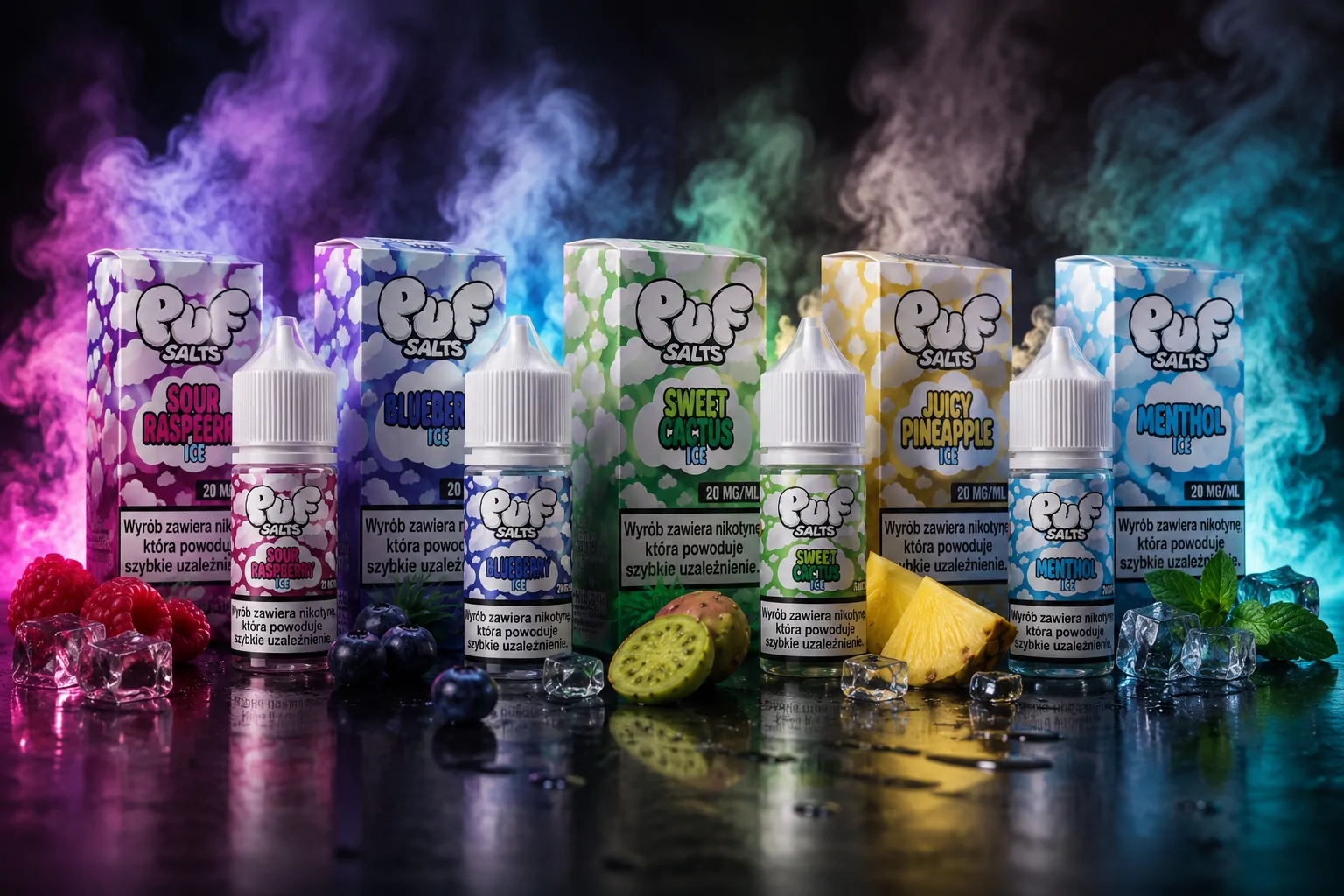
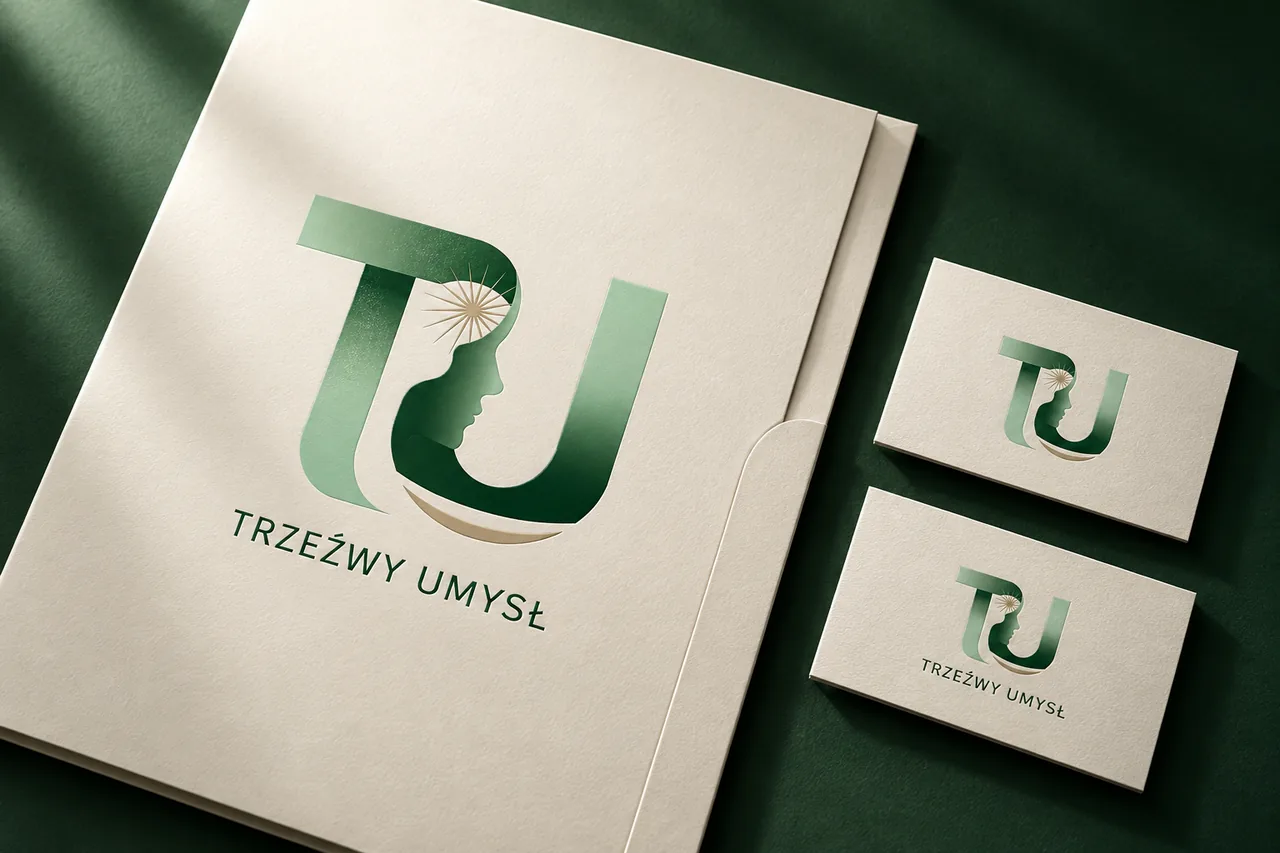
Agree vector and raster files, variants and usage rules. Proposal templates, packaging and a wider identity are further deliverables. PUF SALTS and INTELENERGIA show different projects. Graphic design alone does not establish trademark registration.
Project checklist
- Assess the mark against the brief rather than decoration alone.
- Test a single-colour version and the smallest application.
- Check the complete names, variants and file formats.
Questions and answers
Do more concepts mean a better project?
No. Direction, clarity and suitability matter. Agree the number of concepts and how they will be developed in the scope.
Related articles
Graphic design
How much does logo design cost?
Logo pricing: a simple mark, brief, applications and files. Distinguish new design, vectorisation and visual identity.
25 August 20262 min readRead article
Graphic design
How much does a visual identity cost?
Visual identity prices: colours, typography, logo guidelines and applications. Compare work around an existing logo with extra deliverables.
25 August 20262 min readRead article
Graphic design
How much does packaging design cost?
Packaging design prices: a product, dieline, copy, product sheet and variants. See what artwork includes and what needs a separate quote.
25 August 20262 min readRead article
Turn your idea into a project.
Choose your services and see the price, or tell us about your project.