Blog / SEO
Website SEO audit: scope and actionable recommendations
What belongs in an SEO audit? Crawl access, content, internal links, Search Console data and prioritised implementation recommendations.
An SEO audit should identify a site’s specific problems and the work needed to resolve them. It combines technical checks with content and search data. An automated error list is an input, not a complete improvement plan.
What is checked and with which data?
Review URL availability, indexing, redirects, canonical URLs, sitemaps and links. Content checks cover the page’s purpose, title, headings and answer to the reader’s need. Search Console access connects that assessment with queries and URLs actually shown in Google.
How are problems distinguished from hypotheses?
A broken link can be confirmed directly. Suspected competition between articles needs content and query analysis. The report should show evidence, the affected URL, the user impact and the proposed change. Without data, a decline cannot be attributed to one edit.
What makes a report actionable?
Each recommendation needs a priority, owner and verification method. Address access barriers and material errors first, then important content and linking. Confirm implementation after release. Assess visibility and enquiry quality later using subsequent data.
Audit report checklist
- Attach an affected URL and evidence to each finding.
- Separate confirmed recommendations from hypotheses needing data.
- Verify implementation, then assess results over subsequent periods.
Content assessment principles: Google Search Central documentation.
Questions and answers
Does an audit guarantee higher rankings?
No. It provides findings and recommendations. Outcomes also depend on implementation, competition, the offer and search engine assessment.
See what the finished project looks like

Related articles
Websites
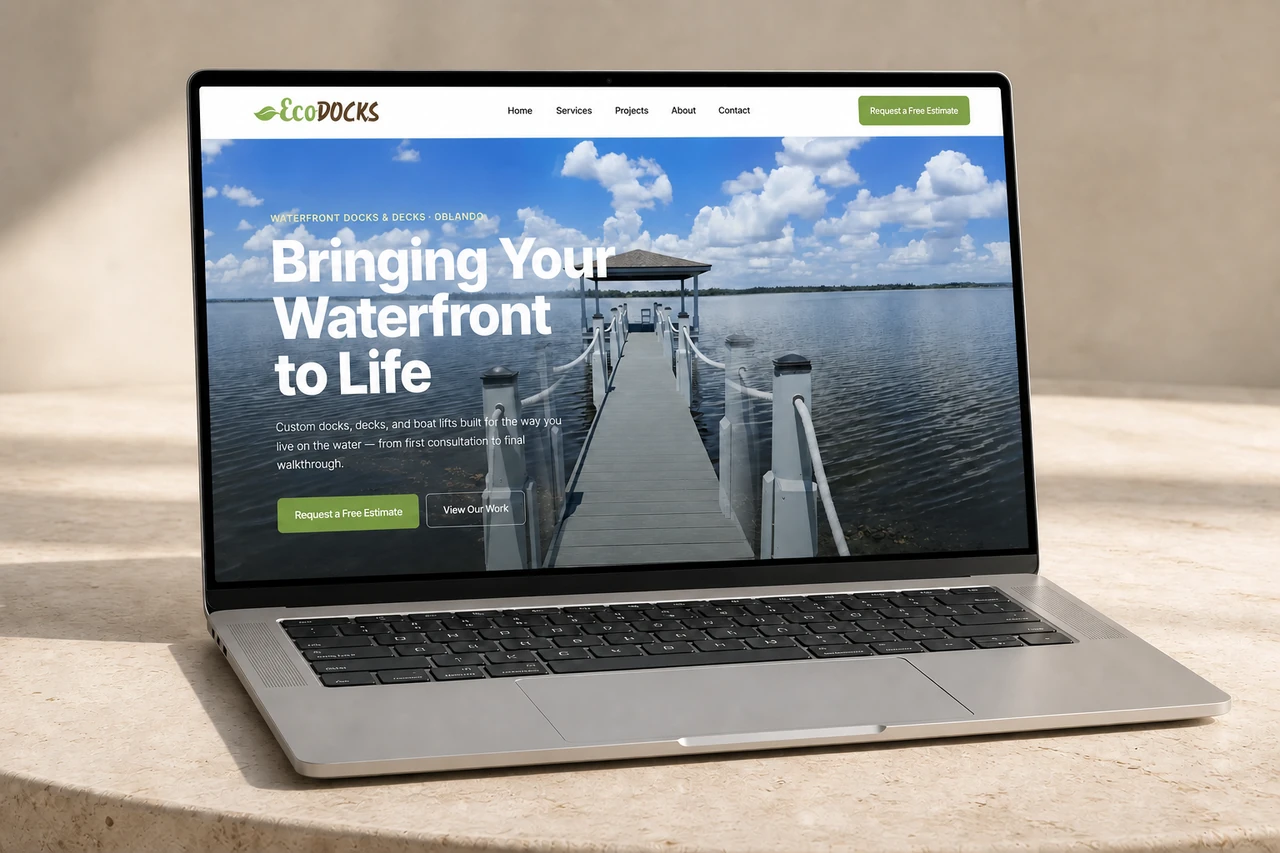
Website design: stages of the project
Website design stages: brief, content, UX/UI, development, testing and handover. Clarify client responsibilities and running costs.
9 September 20262 min readRead article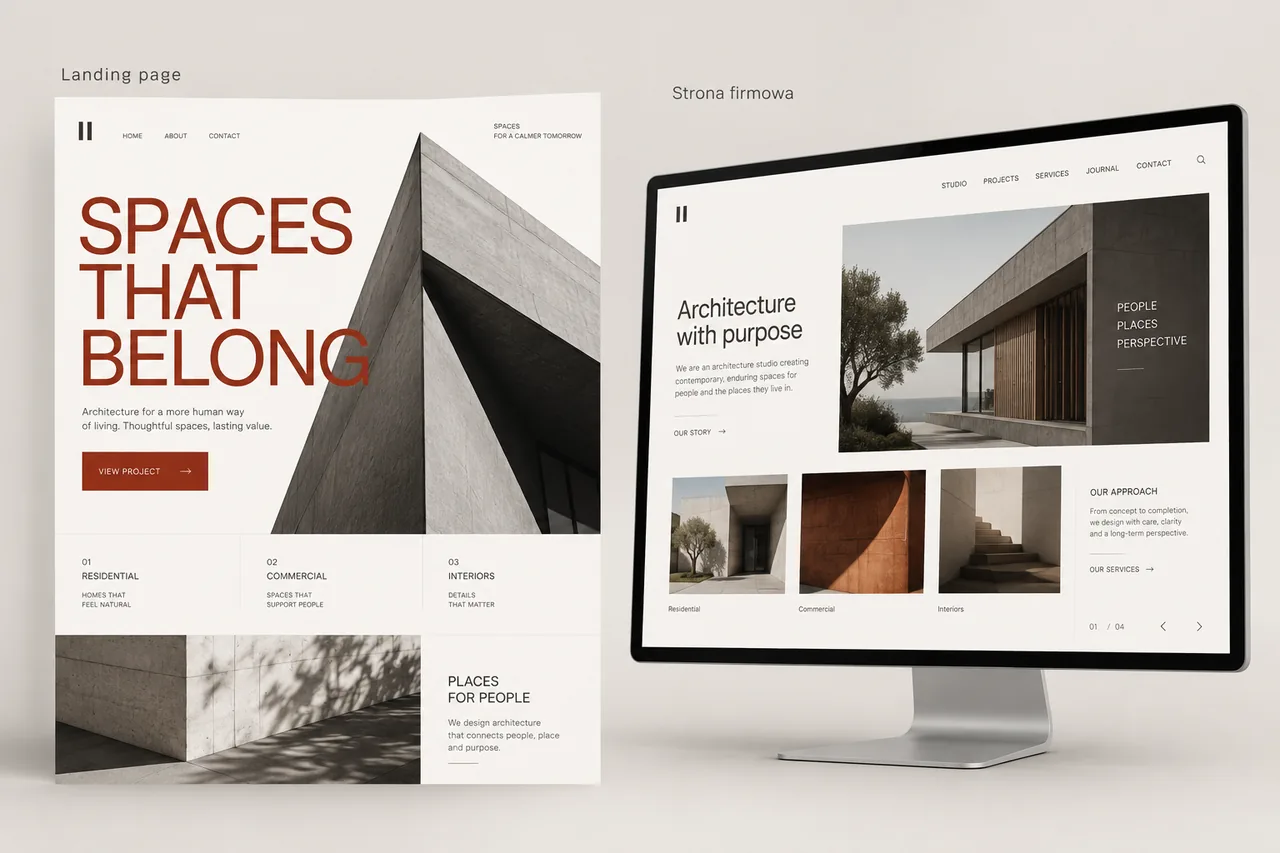
Websites
Landing page or business website: choosing the scope
Compare landing pages with business websites: purpose, content, navigation, forms and future development.
19 September 20262 min readRead article
Turn your idea into a project.
Choose your services and see the price, or tell us about your project.