Blog / Automation
Booking applications: functions and implementation scope
Plan a booking application: availability, resources, confirmations, rescheduling and the first version’s admin functions.
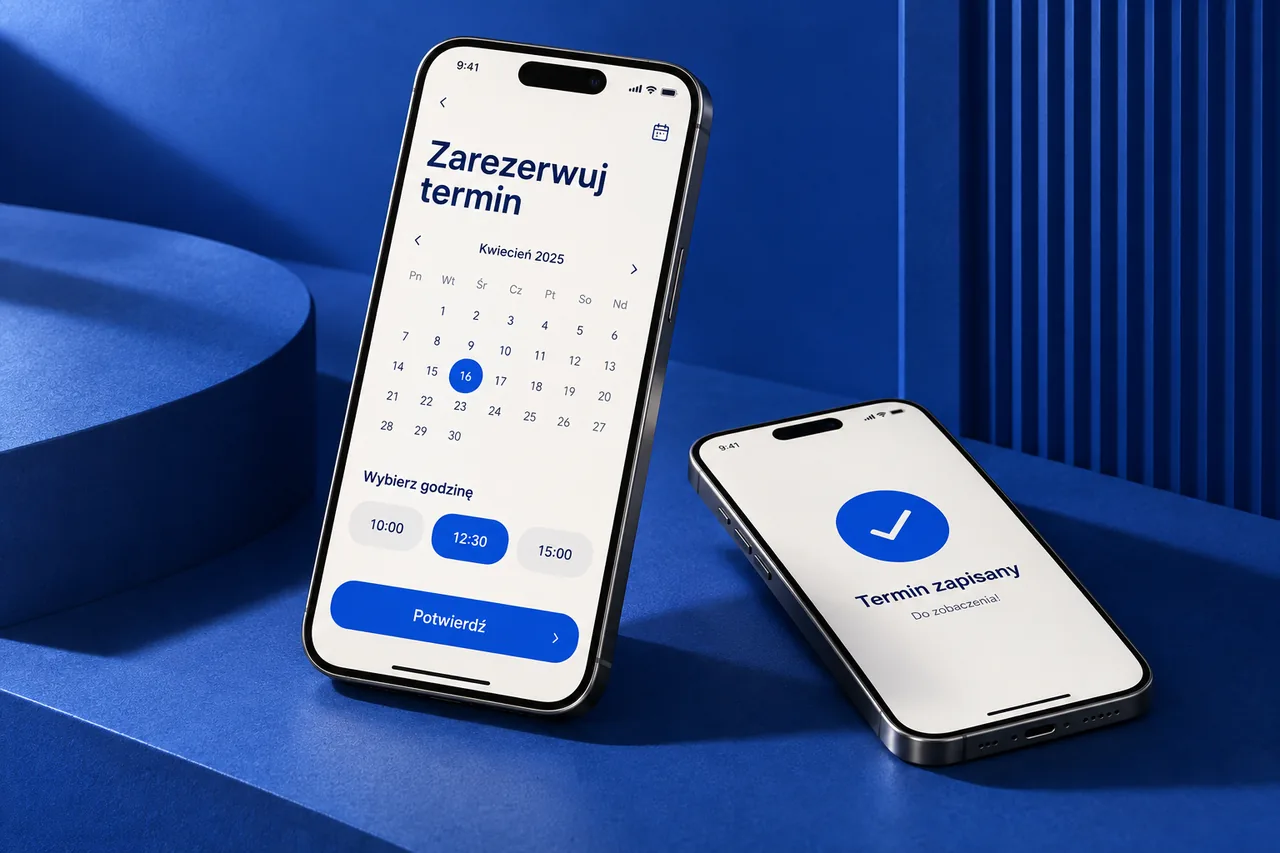
A booking application should connect service selection with actual time and resource availability. Define appointment lengths, breaks, opening hours and change rules before the interface. A calendar without these rules can display slots the business cannot fulfil.
Availability and conflicts
Decide whether an appointment uses a person, workstation, room or several resources. Include time off and preparation. Availability should be checked again before confirmation. Separately define how long a provisional booking may await confirmation or payment.
Changes and customer messages
Define rescheduling, cancellation and reminders. Messages need the correct time, location and contact route. The business sets cancellation rules. Rescheduling must release the original resources and confirm the new slot without leaving two active bookings.
Defining the first release
Start with one process the team can support. The admin view needs clear statuses and a way to correct information. Complex payments, multiple locations and integrations require separate scope decisions. Test booking, conflicts, cancellation and connection failures.
Booking tests before launch
- Test simultaneous attempts to book the same slot.
- Check that rescheduling releases the previous resources.
- Verify confirmation messages and the status shown in admin.
Questions and answers
Could an existing tool be enough?
Yes, if it supports the business’s actual rules. A custom application is justified when available tools cannot handle the required workflow or integrations.
See what the finished project looks like
Related articles

Automation
Enquiry automation: forms, follow-up and proposals
Plan enquiry automation around form data, ownership, duplicate handling, error recovery and proposal approval.
27 September 20262 min readRead article
Websites
Website design: stages of the project
Website design stages: brief, content, UX/UI, development, testing and handover. Clarify client responsibilities and running costs.
9 September 20262 min readRead article
Turn your idea into a project.
Choose your services and see the price, or tell us about your project.