Blog / Automation
Enquiry automation: forms, follow-up and proposals
Plan enquiry automation around form data, ownership, duplicate handling, error recovery and proposal approval.
Enquiry automation connects form submission with a stored record and a next action for the team. Define the process first: required data, ownership and decisions requiring a person. Forwarding a message to several tools does not by itself create a follow-up process.
Data and workflow stages
Ask for information needed for the first reply. Store the source, requested scope, preferred contact and status. Agree who receives the enquiry and what closing it means. An acknowledgement should describe the actual next step.
Proposals and exceptions
Draft proposals can use an approved price list and rules. Unusual scope, discounts or incomplete information should trigger review. Browser-supplied amounts need verification rather than automatically becoming binding billing figures.
Duplicates, errors and measurement
Define a submission identifier and retry behaviour. A connection failure should neither lose an enquiry nor create duplicate tasks. Test typical and failure scenarios in the first release. Then assess response time, data completeness and manual corrections.
Tests before launch
- Test a complete enquiry, incomplete data and a retry.
- Check data retention when a connected tool fails.
- Confirm notification recipients and responsibility for replying.
Questions and answers
Should every proposal be sent automatically?
No. Scope needing interpretation, custom pricing or availability confirmation should be reviewed before sending.
See what the finished project looks like

Related articles
Websites
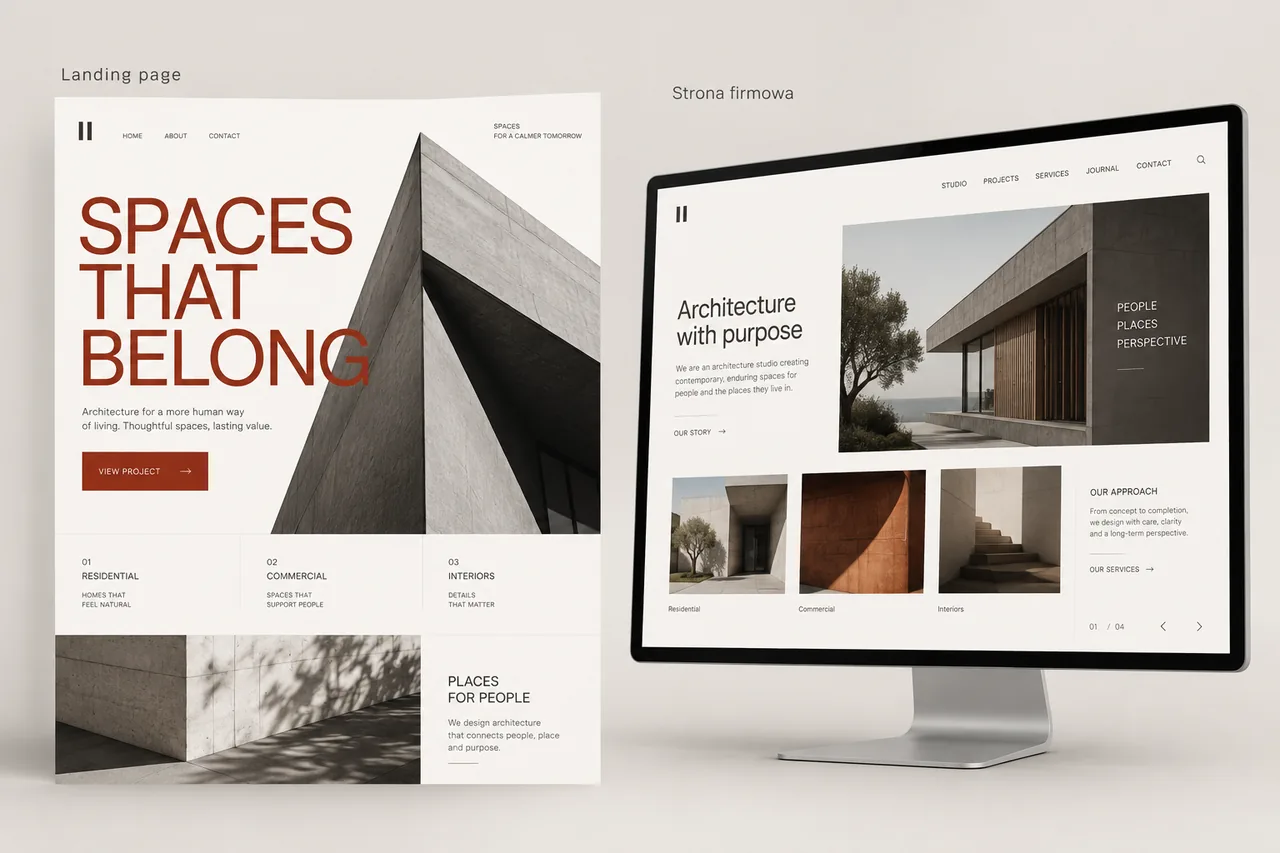
Landing page or business website: choosing the scope
Compare landing pages with business websites: purpose, content, navigation, forms and future development.
19 September 20262 min readRead article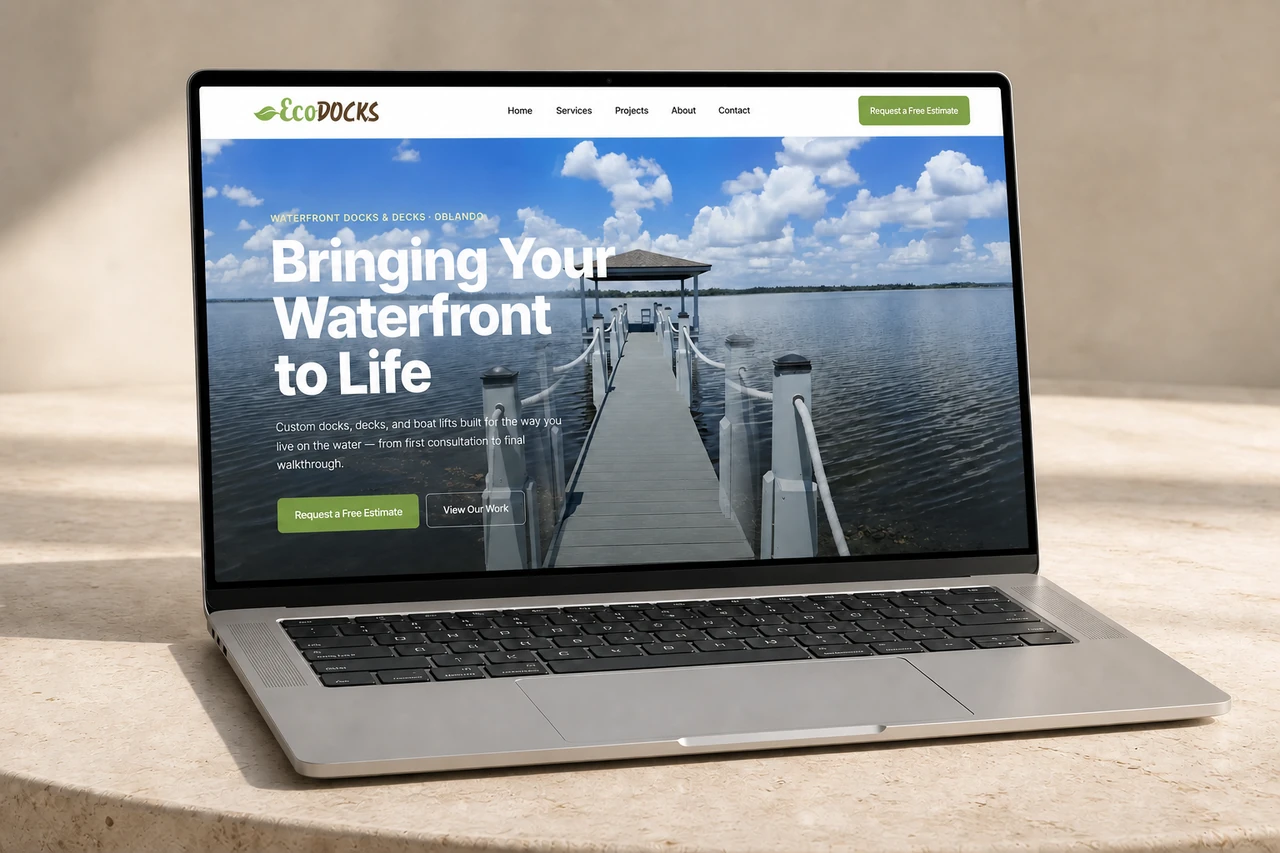
Websites
Website design: stages of the project
Website design stages: brief, content, UX/UI, development, testing and handover. Clarify client responsibilities and running costs.
9 September 20262 min readRead article
Turn your idea into a project.
Choose your services and see the price, or tell us about your project.