Blog / Animation
2D and 3D animation: choosing technique and scope
2D or 3D animation? Compare artwork, models, scripts, sound and uses for advertising, instructions or product presentations.
2D animation uses flat graphic elements; 3D uses spatial scenes and models. Choose the technique for what needs explaining or showing. Finished duration is only one part of the work: scenes, assets and detail matter too.
When is 2D or 3D useful?
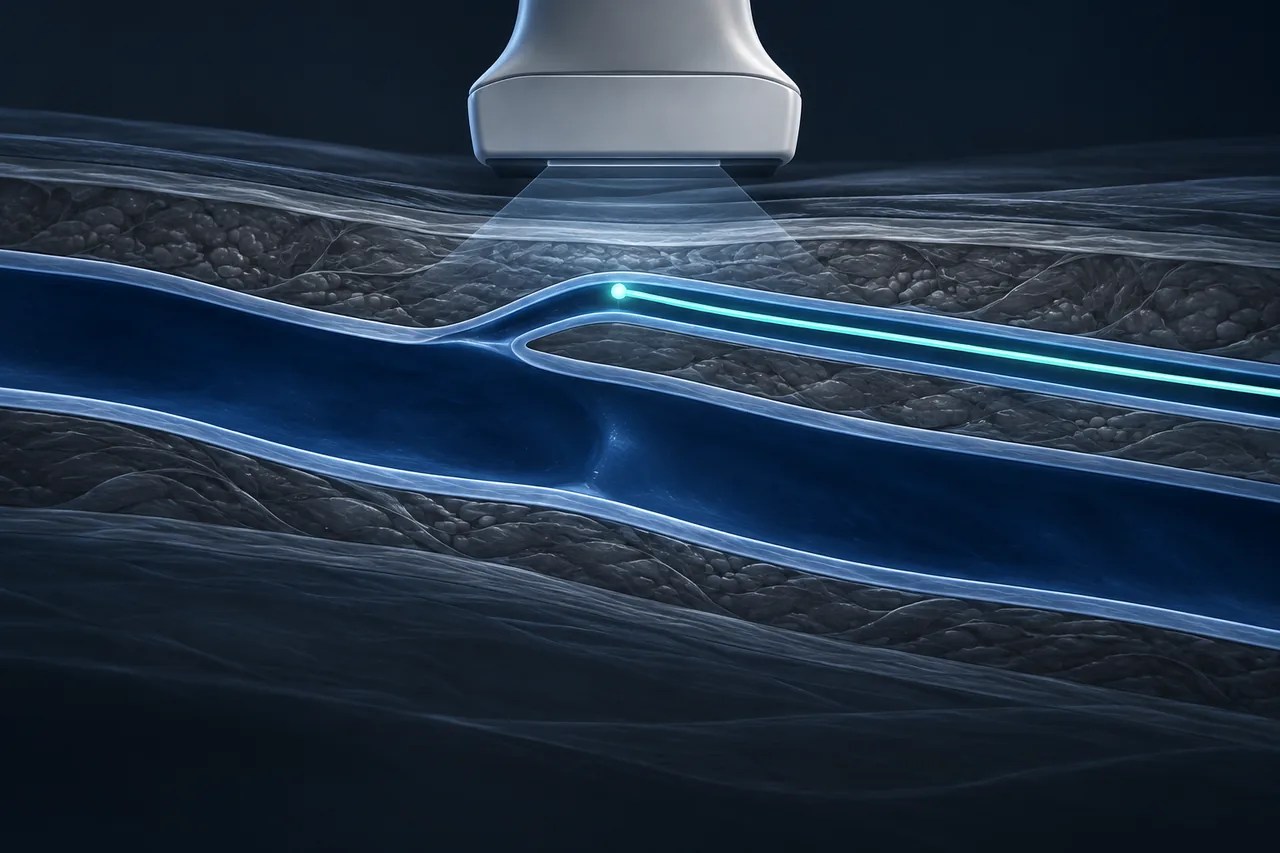
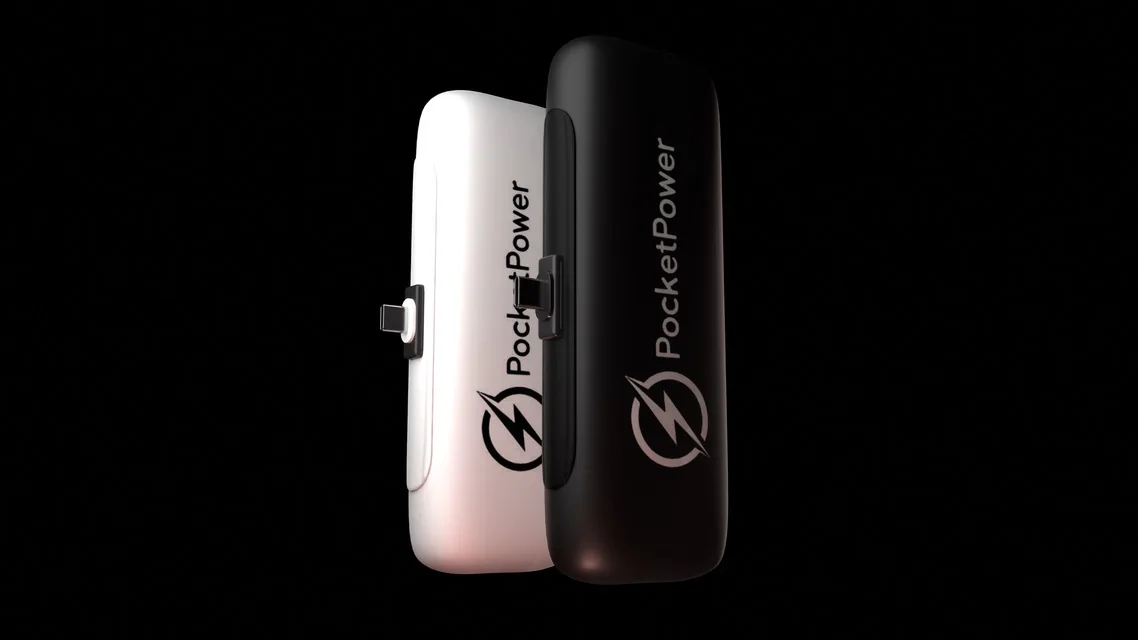
2D can organise diagrams, text or identity. 3D can show form, internal mechanisms and camera movement around a product. Techniques can be combined. Medicus Bonus animation and Pocket Power CGI illustrate different tasks rather than interchangeable versions of one brief.
Script and source assets
Agree scene order and messages before animation. Supply copy, logo and available artwork or models. Identify assets needing creation. If voiceover is required, approve the script and timing before final picture adjustments.
Approvals, versions and delivery
Approve visual direction and scene layout before motion and sound. Script changes after animation can require rebuilding. Agree aspect ratio, resolution, subtitles and silent versions. Source-file handover needs explicit agreement.
Project checklist
- Approve the script and scene order before animation.
- Agree narration, subtitles and files for each channel.
- Check the silent version if it will be used.
Questions and answers
Is 3D always better than 2D?
No. A clear 2D diagram may explain a process better, while 3D can reveal product form. Choose according to the task.
See what the finished project looks like
Related articles
CGI
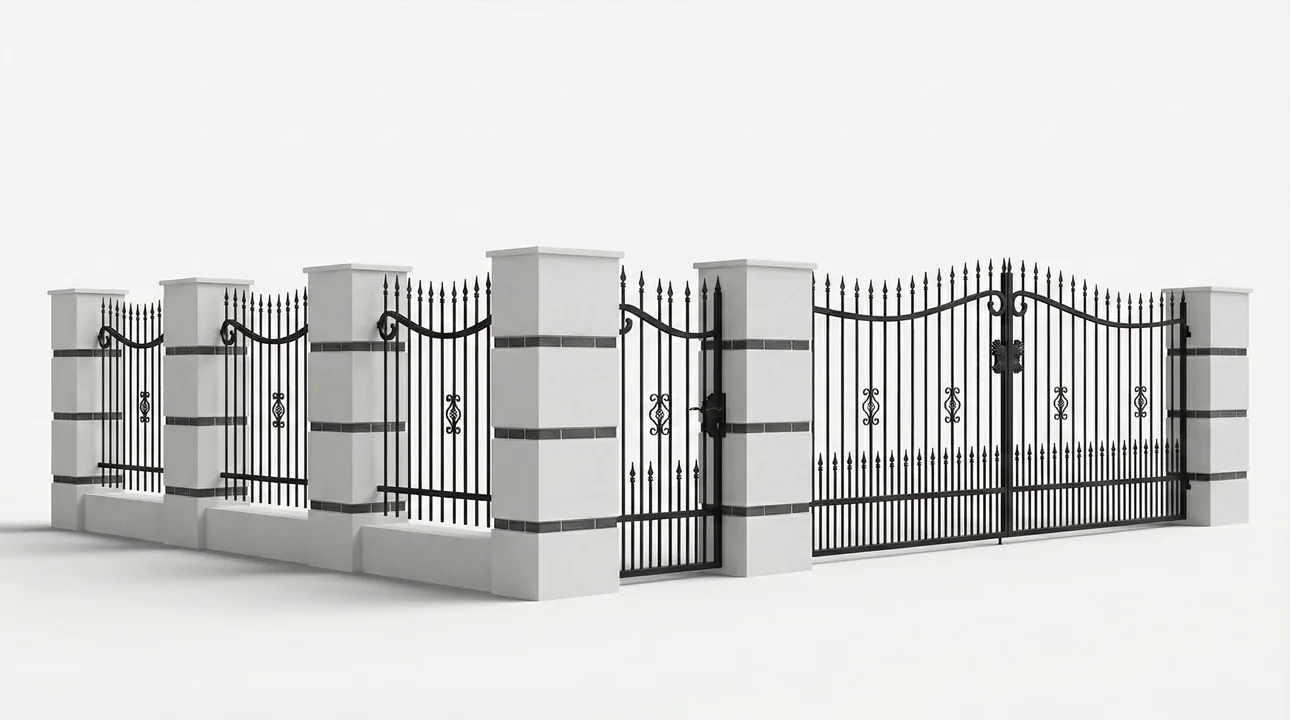
Product 3D modelling: geometry, inputs and files
How is a product model built? Dimensions, references, detail, materials and formats for rendering, animation and other uses.
9 September 20262 min readRead article
Marketing
How much does advertising video production cost?
Advertising video prices: concept, shoot length, location, editing and versions. Review the scope and separately quoted work.
25 August 20262 min readRead article
CGI
How much does a 3D visualisation cost?
3D visualisation prices for products, interiors, buildings and developments. Review modelling, view counts and quotation materials.
25 August 20262 min readRead article
Turn your idea into a project.
Choose your services and see the price, or tell us about your project.